Description
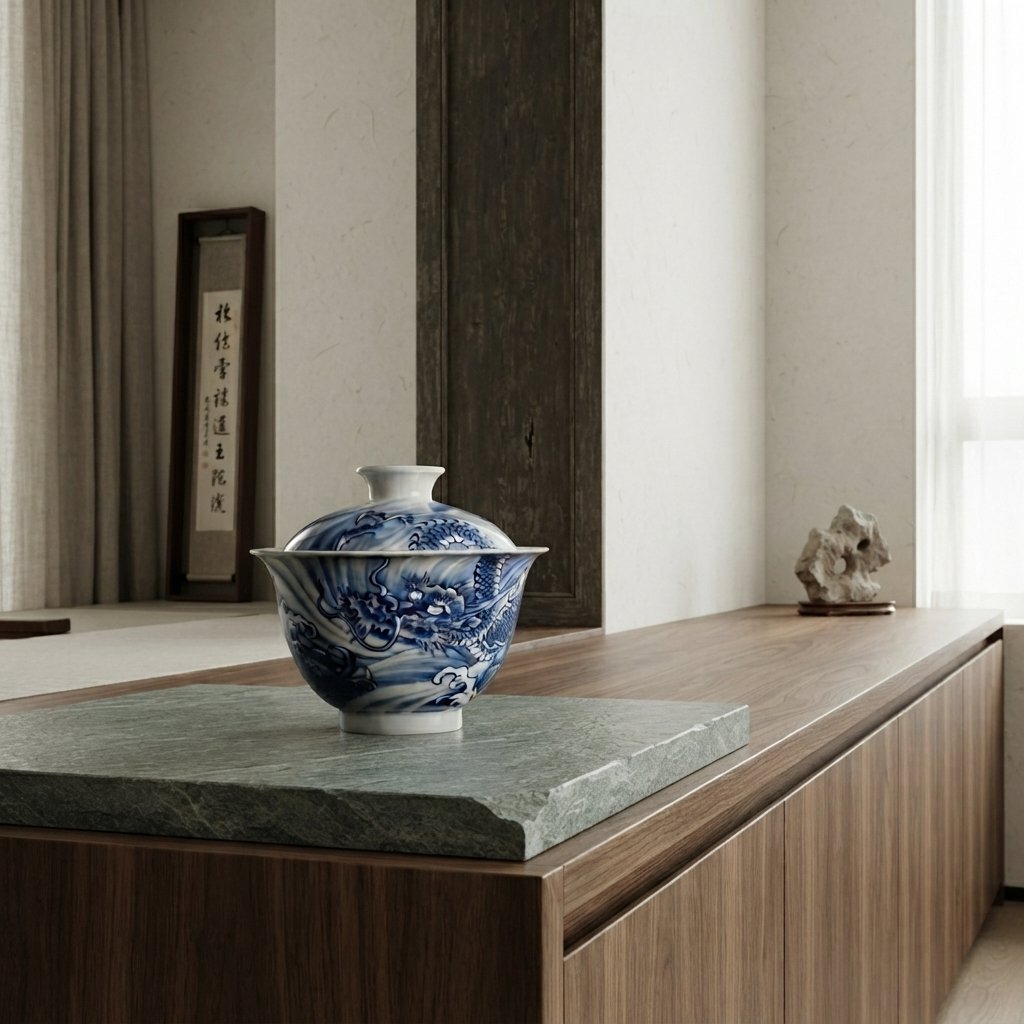
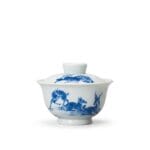
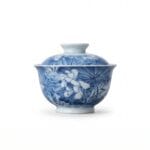
Double Blessings Mati Gaiwan
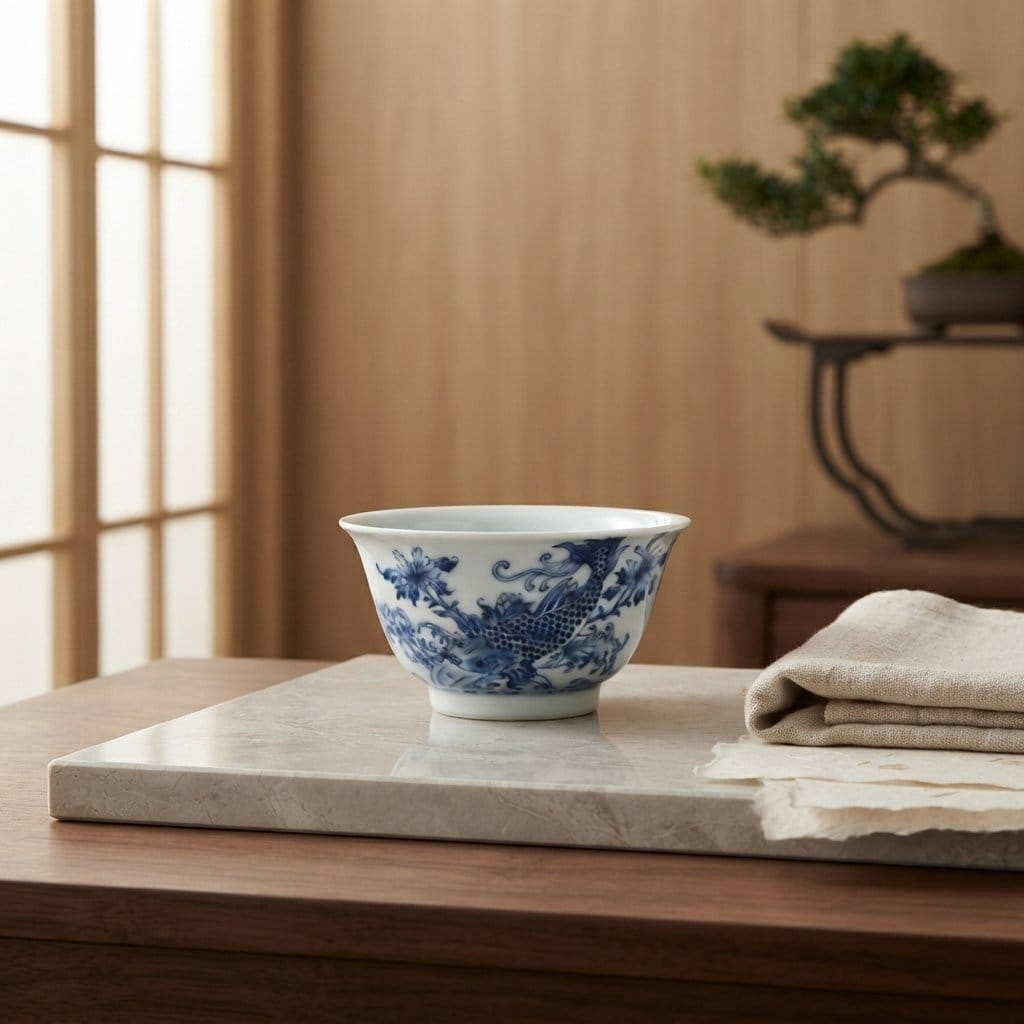
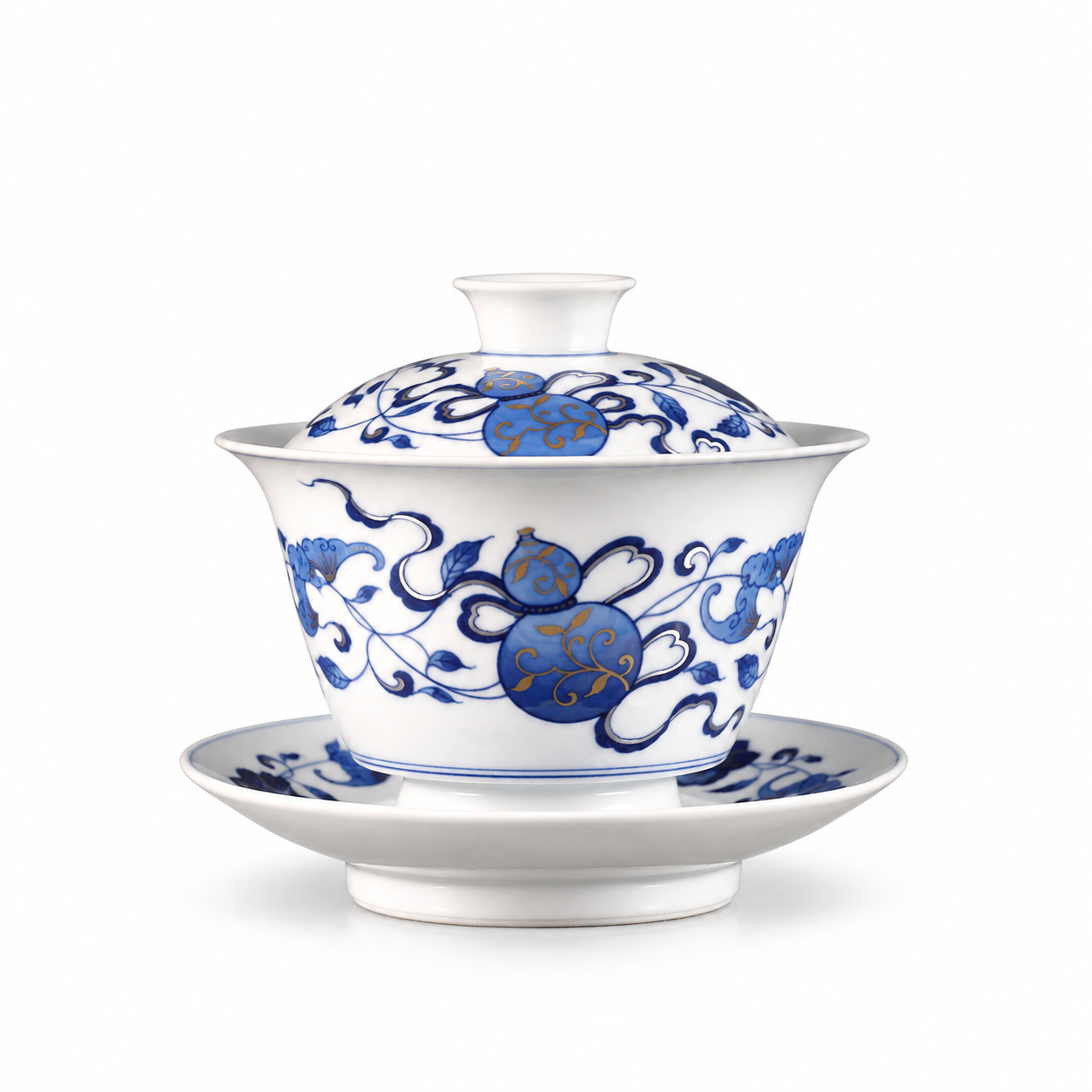
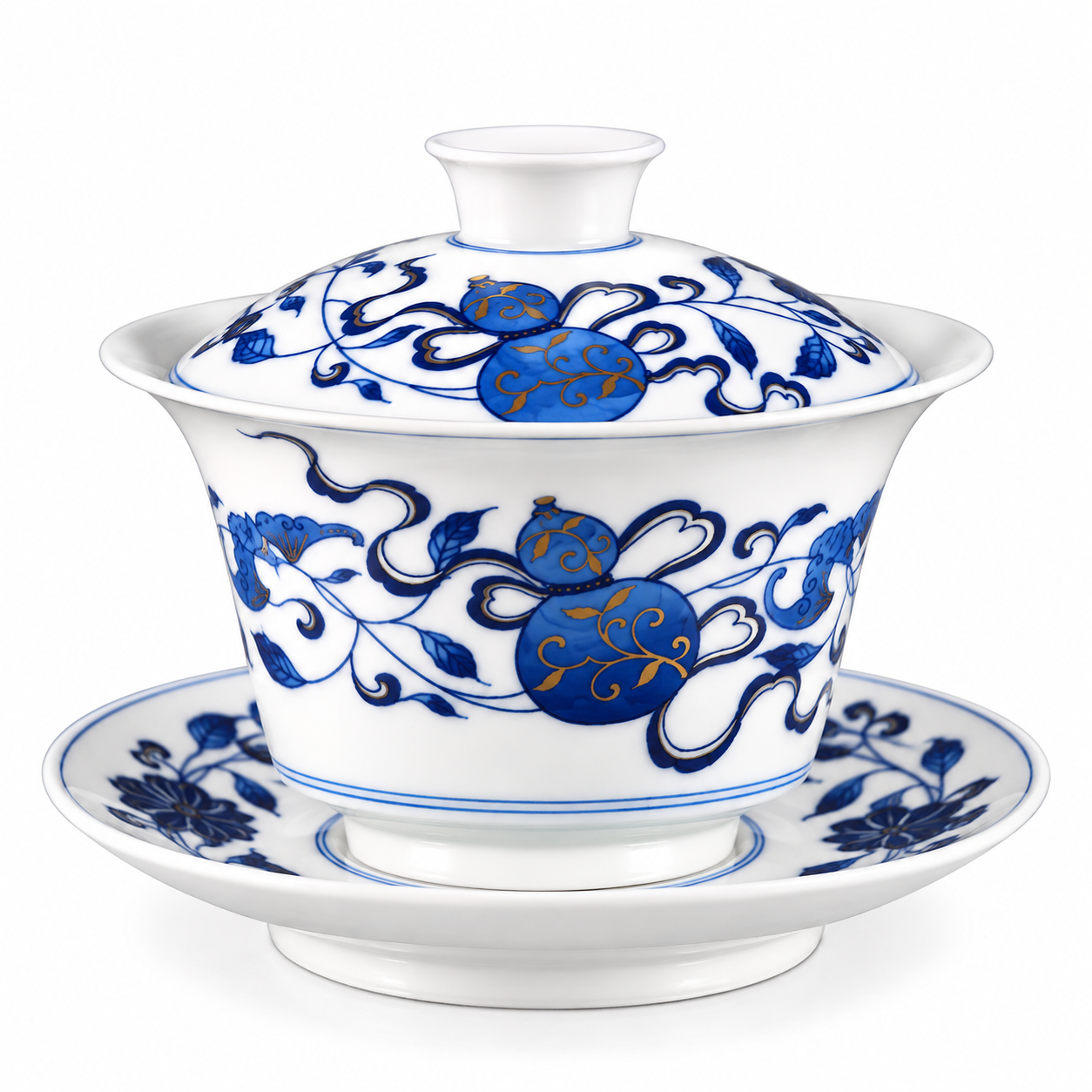
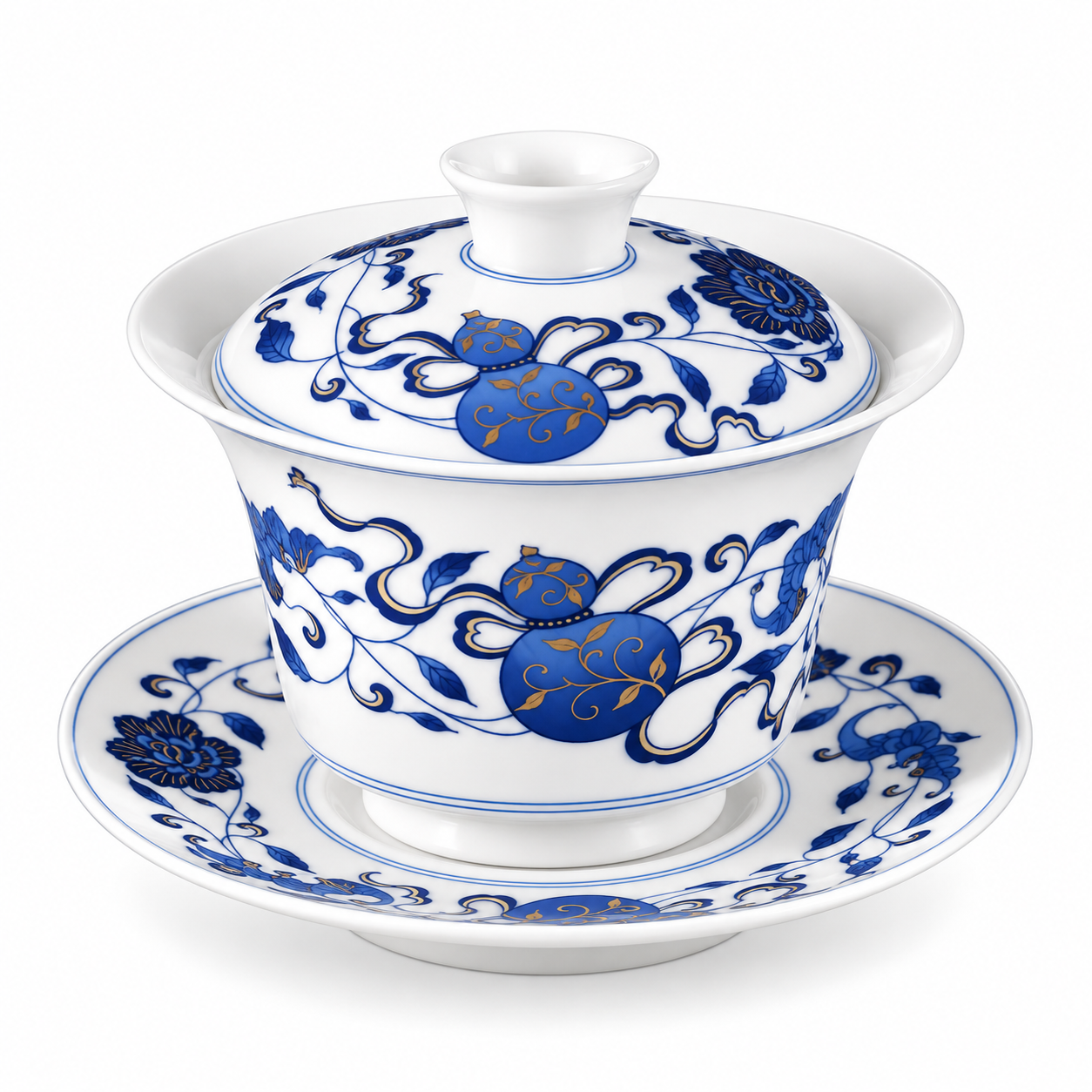
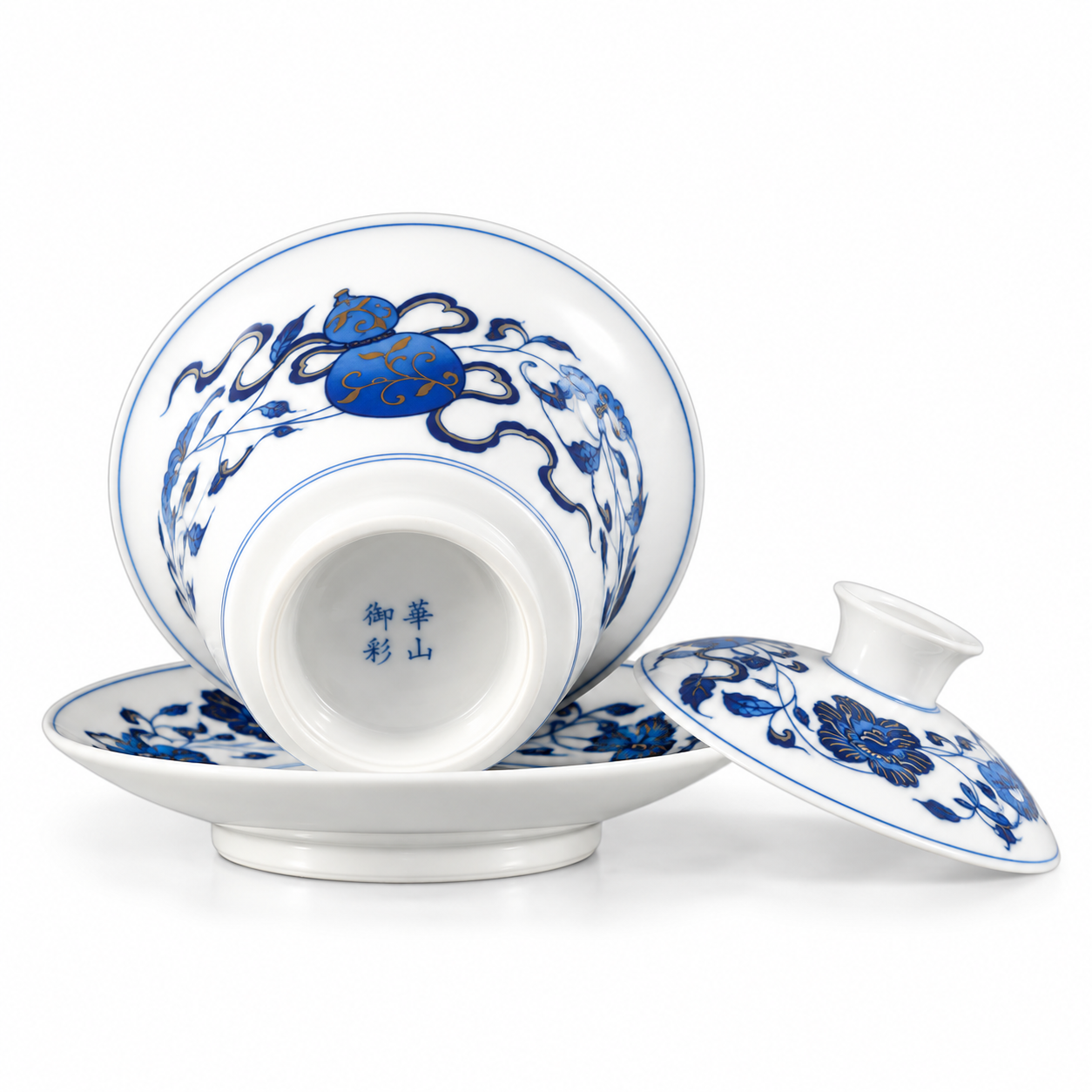
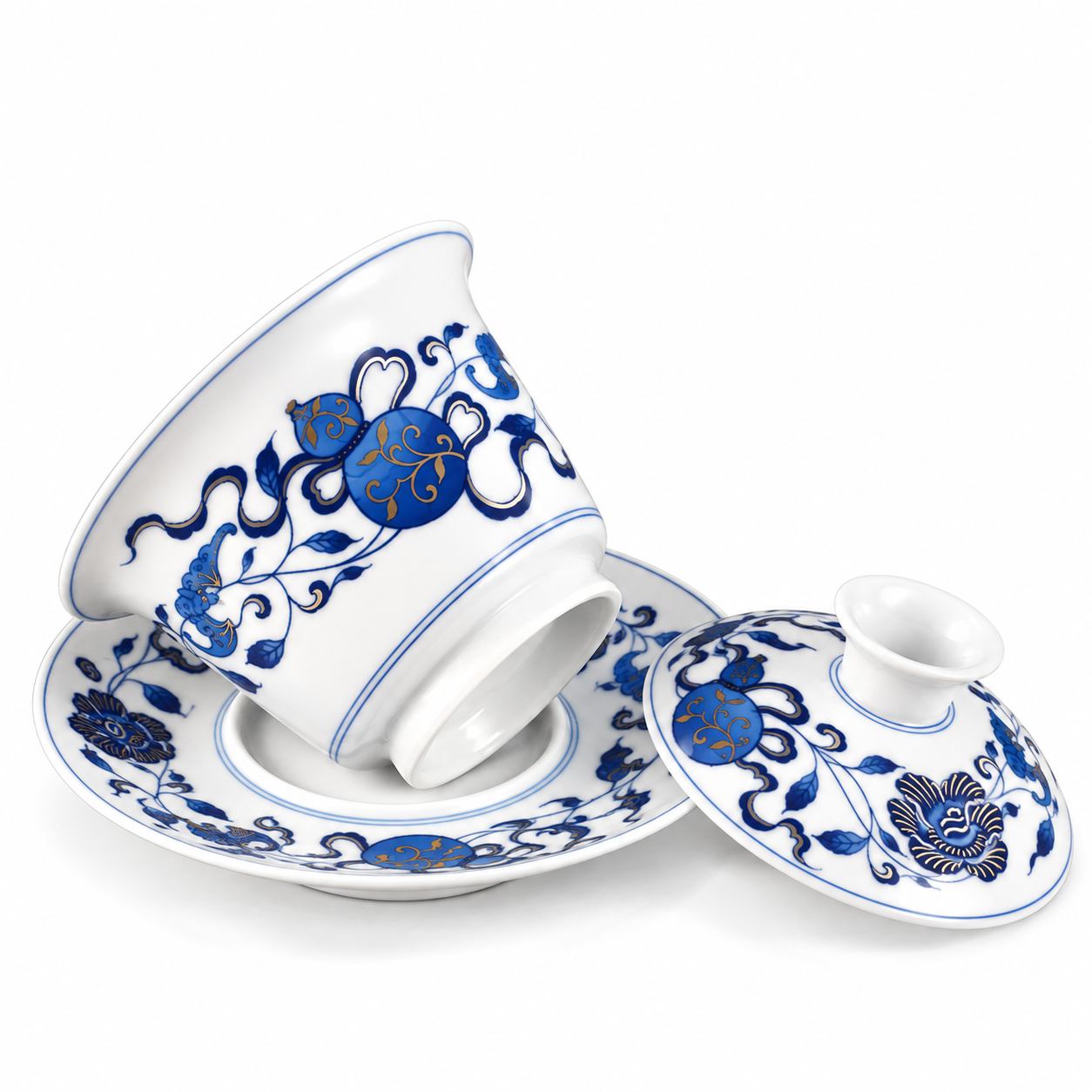
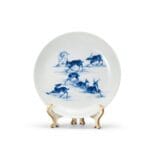
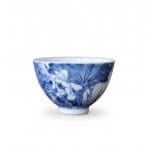
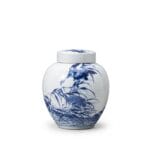
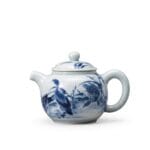
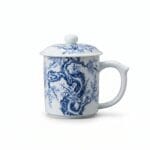
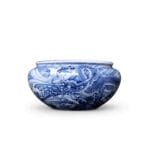
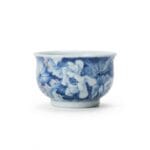
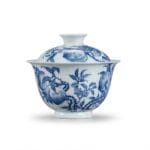
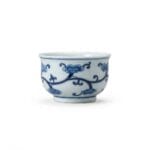
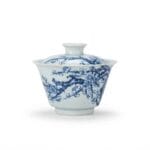
Inspired by traditional Chinese symbols of good fortune, this gaiwan brings together bats, gourds, and continuous floral vines in a layered composition of blessings.
Three bats are subtly hidden among the scrolling foliage. In Chinese, the word for bat, fu (蝠), sounds like fu (福), meaning “blessing” or “good fortune.” Rather than dominating the composition, the bats emerge quietly among the vines, suggesting blessings that naturally become part of everyday life.
At the center is the gourd, traditionally associated with fulu (福禄)—good fortune and prosperity. Within the gourd appears another auspicious motif, creating the idea behind “Fu Zhong Fu” (福中福): a blessing held within another blessing.
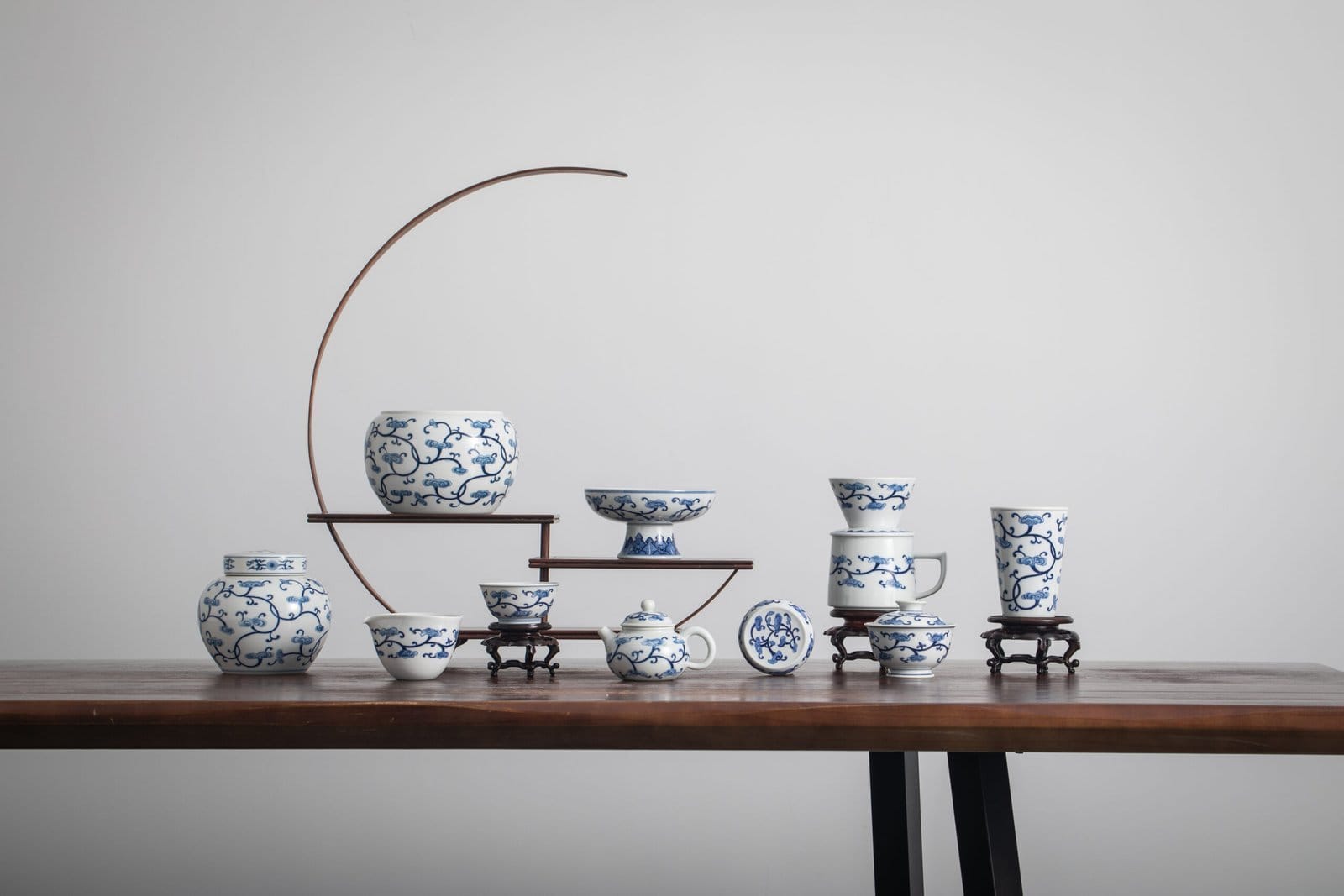
Flowing vines and ribbons connect the motifs throughout the vessel, expressing continuity, growth, and blessings passed from one generation to the next.
Appearance & Dimensions
Care Instructions
Choosing Huashan Zhuoyin means choosing handcrafted Jingdezhen porcelain created to bring artistry into everyday life. To help preserve the glaze, hand-painted decoration, and gilded details, gently clean each piece with a soft sponge or cloth, warm water, and mild dishwashing liquid. Avoid abrasive sponges, steel wool, hard brushes, or other abrasive cleaning products.
We recommend cleaning your tea ware promptly after use and keeping it dry to prevent tea stains from building up. For accumulated tea stains, gently clean the affected area with a small amount of toothpaste or baking soda using a soft cloth, then rinse thoroughly with clean water. When storing cups, gaiwans, and other porcelain pieces, a soft mat or protective layer can be placed between them to help reduce scratching, chipping, and accidental damage.
For pieces featuring gilding, famille rose enamels, or other special decorative finishes, hand washing is recommended. Avoid microwaves, ovens, and high-temperature sterilizing equipment. Care requirements may vary depending on the craftsmanship and decorative technique of each piece, so please refer to the specific care information provided on the individual product page.
Please note: Avoid sudden temperature changes and contact with hard or abrasive objects to help preserve the porcelain glaze, hand-painted decoration, and gilded details.
Shipping & Returns
The production and delivery times shown on our website are estimates. Actual delivery times may vary depending on the handcrafted production process, product availability, order volume, international shipping, and customs clearance at the destination. Handcrafted, limited-edition, and bespoke pieces may require a longer production and delivery period than standard in-stock items.
For estimated production or delivery times for a specific piece, or for assistance with your order, please contact our customer service team:+86 152 1619 8369
Technical Documents
True blessings need no proclamation; they quietly become part of everyday life.
In Chinese decorative culture, wishes for happiness and prosperity are often hidden within symbols rather than expressed directly.
The bat is one of the most recognizable examples. Its Chinese name, fu (蝠), echoes fu (福), meaning blessing.
Huashan places three bats discreetly among the foliage, allowing them to appear naturally within the composition. Their subtle presence reflects a simple idea: some of life’s greatest blessings are found in ordinary moments—shared meals, family, peaceful days, and a quiet cup of tea.
At the center, the gourd adds another layer of meaning. Traditionally associated with good fortune and prosperity, it contains an additional auspicious motif within its form.
This creates Fu Zhong Fu—“a blessing within a blessing.”
Continuous vines then connect the entire composition, suggesting that good fortune does not end with a single moment, but continues to grow and endure.
The bat brings blessings, the gourd gathers them, and the vines carry them forward.